
Appointments
A real visit,
not a fifteen
minute conveyor.
Forty five to sixty minutes for the first appointment, plain language, and a treatment plan you actually had a say in.
How it goes
From first note to a plan that holds
Nobody's watching a clipboard countdown or eyeballing the clock at minute eight, and nobody's handing you a script before we actually know what's going on with you.
You send a note about what's actually going on. A clinician reads it and gets back to you, usually within a business day, with next steps. Once you book, you get a link to the online intake forms in a secure patient portal.
Forty five to sixty minutes, and we use the whole thing. The first stretch is mostly you talking. We're listening for the through line, not just symptoms to plug into a diagnostic code.
Built together, out loud, with you in the room. What we think is going on, what we'd recommend, what the alternatives are, and why we'd lean one way over another. Ask, push back, disagree.
Shorter visits, usually twenty to thirty minutes, long enough to have an actual conversation about how things are going. We see you when seeing you adds value, not on a billing clock.
What this is like
What to expect in the room
The first visit
A real visit, not a fifteen minute conveyor.
Forty five to sixty minutes, and we use the whole thing. The first stretch is mostly you talking, and we're listening for the through line, not just symptoms to plug into a diagnostic code.

In the chair
Unhurried, and on your side.
Time that fits the work
The first visit runs forty five to sixty minutes, not the fifteen minute med refill most clinics have settled into.

On video or in person
Across Oregon and Washington.
An actual clinician
Not a triage nurse and not a medical assistant who has to pass everything along to somebody else.
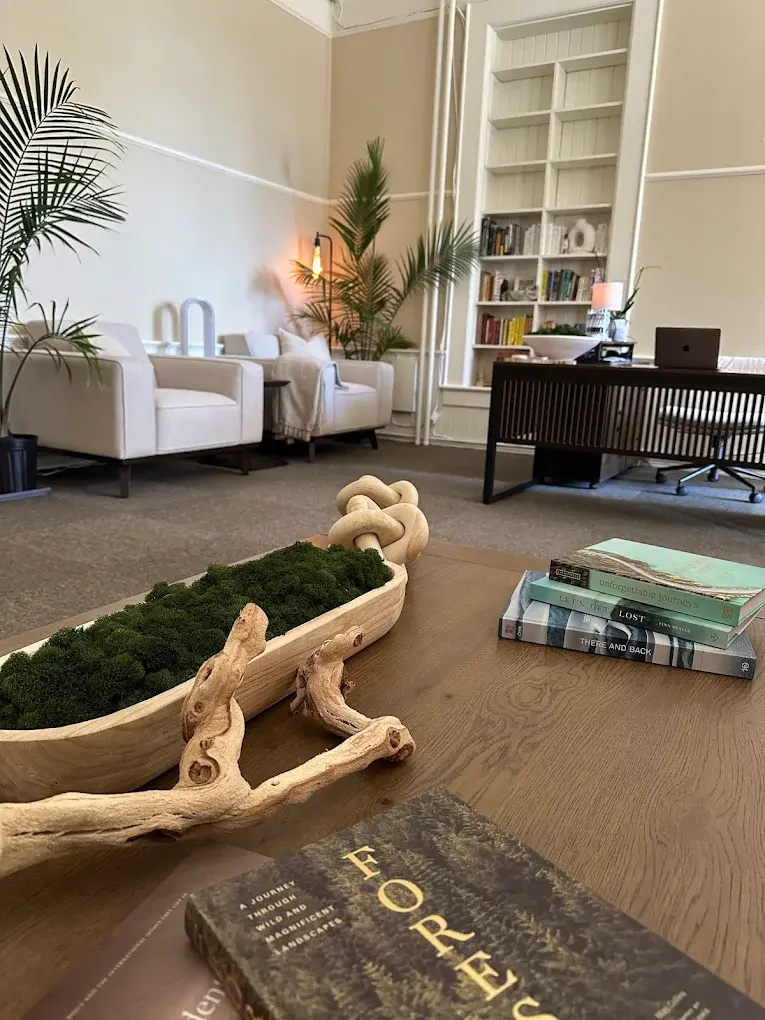
The room itself
Built to feel calm, not clinical.
The whole picture
We ask about sleep, alcohol, the job, the relationships, the history. None of that is filler, the answer rarely lives in one check-box.

Before you walk in
Bring the questions you actually want answered.
You leave knowing
A plan you had a say in.
What we think is going on, what the options are, the recommended starting point and why, and what the next step looks like.
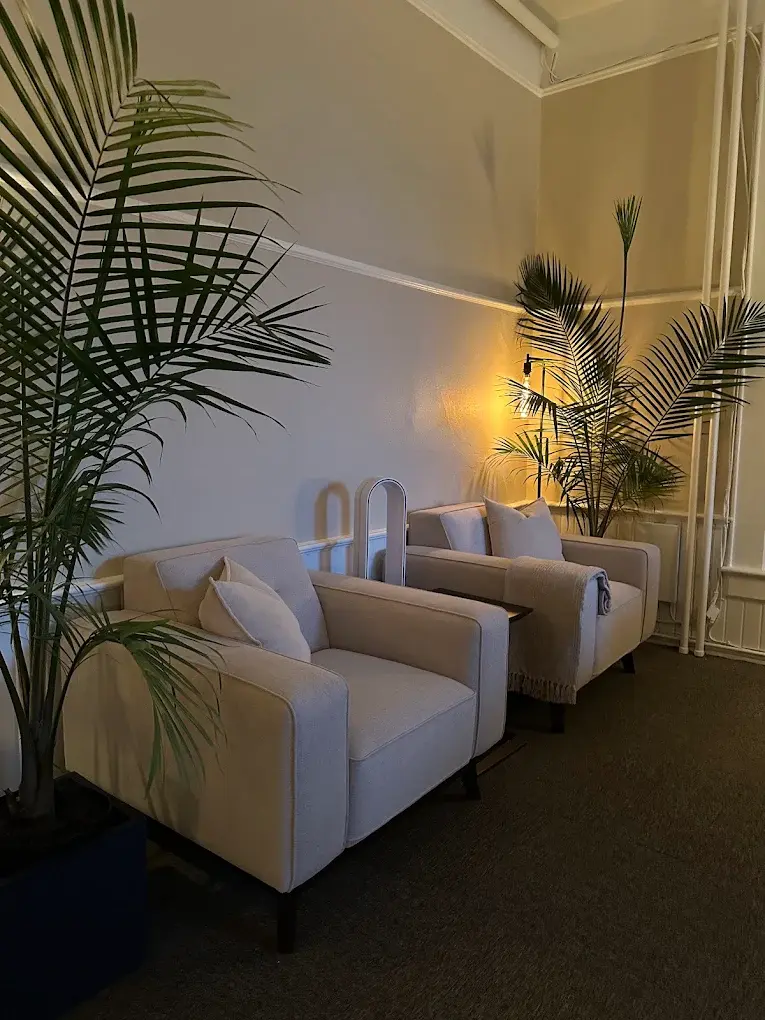
Before your first visit
Once you book, you'll get a link to the online intake forms. They take about fifteen to twenty minutes to complete, they live in a secure patient portal, and they cover the basics... demographics, medical and psychiatric history, current symptoms, family history, current meds and supplements, allergies, and so on. The more honest and complete those answers are, the better the first visit goes, because we're not spending the first twenty minutes pulling the basics out of you in real time.
The medication list is the one piece people most often skip or eyeball, and it matters more than it looks. We need the actual drug names and the actual doses, including over the counter stuff, supplements, and anything you take occasionally instead of daily. A lot of psychiatric medication decisions hinge on interactions, and we'd rather know up front than catch it later.
It's also worth taking ten minutes the day before the visit and writing down the actual questions you want answers to. What's going on with me, what are the options, what do you think about this medication my last provider mentioned, is this the right diagnosis, what would you do in my situation. Bring that list. We'll work through it. People who walk in with a list end up using their appointment time much better than people who try to remember everything in the moment.
Bring this with you
- Insurance and IDYour insurance card if you're using insurance, plus a photo ID.
- The full med listEvery medication and supplement you take, with the doses, including the occasional and over the counter stuff.
- Recent recordsAny recent labs or psychiatric records you can pull together. Old records from a prior psychiatrist are gold, but if you can't get them, we'll work with what's available.
- Your questionsThe list you wrote the day before. We'll work through it.
After you leave
- Portal accessVisit notes, prescription history, labs, and secure messaging, all in one place. Credentials get sent after the first visit.
- Follow up scheduleTwo to four weeks out on a new medication, then every one to three months once things stabilize.
- Between-visit messagingGoes to the clinician on your case, turnaround usually within a business day. Not a 24/7 line, not a crisis service.
- RefillsThrough the portal, with a few business days of lead time. Controlled medications have their own rules, and we'll walk through them at the visit.
After the visit
You get full access to the patient portal, which is where the visit notes live, the prescription history, the labs, and the secure messaging. Logging in is straightforward, the credentials get sent after the first visit, and everything is in one place so you're not chasing a fax or a phone call when you need a record for something.
We don't lock you into a rigid schedule, and we don't drag out visits to inflate billing either. We see you when seeing you adds value.
Between visit messaging through the portal is part of how this works, not an inconvenience. If a side effect is worrying you, if a dose feels off, if something changed that we should know about before the next scheduled visit, that's exactly what the portal is for. Messages go to the actual clinician on your case, and the turnaround is usually within a business day.
On video
Telehealth specifics
Telehealth is available across Oregon and Washington, which are the two states where the clinic is licensed. You've got to be physically located in one of those states at the time of the visit, which is a licensing rule and not a clinic policy. If you're traveling out of state on the day of a scheduled visit, we'll reschedule, and that's worth flagging when you book if you know your schedule is going to be in flux.
On the tech side, what you need is a private space where you can talk without being overheard, a halfway decent internet connection, and a device with a working camera and microphone. Phone, laptop, tablet, any of those work. We'll send a secure video link before the visit, you click it, you're in. There's no separate app to install for most patients, and tech support is available if something glitches.
A real visit stays a real visit whether you're in person or on video, and the clinical content doesn't change.
The only meaningful difference is that we can't do an in-person physical exam, which matters for a small minority of cases. For most of what we treat, telehealth works just as well, and a lot of patients prefer it because it cuts the commute, the parking, and the time off work. If a particular situation needs an in-person visit, we'll say so.
The fine print
Cancellation policy
If you need to cancel or reschedule, the request is forty eight hours of notice. That window exists because the appointment slots are long, and a same-day cancellation usually can't be backfilled, which means somebody on the waiting list who needed care didn't get to use that slot either.
Cancellations inside forty eight hours, or no-shows, are subject to a fee. The exact amount depends on the appointment type, and it's spelled out in the intake paperwork so there are no surprises. Insurance doesn't cover this fee... that's a policy across the industry, not a quirk of the clinic.
The policy isn't about catching people, it's about keeping a small clinic functional, and the front desk can be reasonable about real emergencies.
That said, life happens. Kids get sick, cars break down, work runs over, you get a stomach bug at 3am. If something like that comes up, just tell us, and we'll work it out.

Ready to book?
Send a note. A clinician reads it and gets back to you, usually within a business day, with next steps.