Addiction
Loud, hard, lonely,
we listen anyway.
Suboxone, Sublocade, Vivitrol, and nobody in the room is going to flinch at whatever you've got going on.
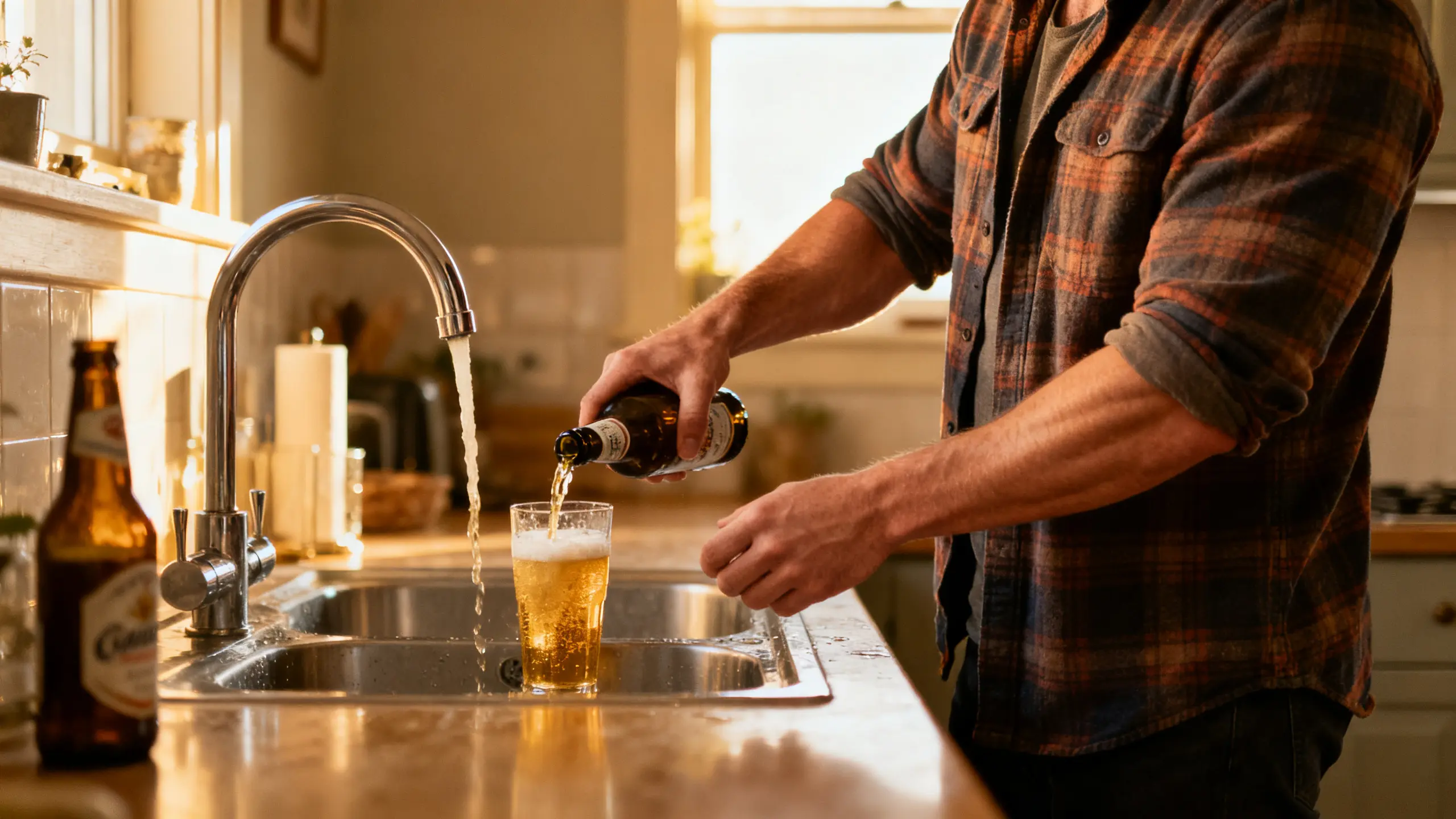
Most days it sounds like this
Only on weekends, you said. Then weekdays.
How it takes the center
Then it stopped mattering what day it was, and the substance slowly became the center of the whole operation while everything else turned into what you do between using.
48M
Americans have a substance use disorder, and most are still telling themselves it isn't that bad.
The real trap
Still holding it together is what lets you keep lying to yourself.
What actually works
Medication plus the work.
Suboxone, Sublocade and Vivitrol quiet the cravings so the brain can stabilize, and then you put in the part the meds were never going to do for you.
Honest, from us
Your brain got rewired and you still get a say in what happens next, both of those are true at the same time and we treat them that way.
4 in 5
never get treatment, mostly because people wait too long before they make the first move.
No judgment
We've heard the whole catalogue of stories. The worst version of what you're carrying isn't worse than what we've sat with before.
What this is like
What working with us looks like
Telehealth or in person
Across Washington and Oregon, whichever actually fits the week you're having.
The meds, no spin
We'll tell you what genuinely helps with cravings and what's hype, and we won't pretend a pill fixes everything.
No judgment in the room
We've heard the whole catalogue of stories, and none of it shocks anybody here.
More support early on
We'll see you frequently at first, usually weekly, and spread the visits out as things stabilize.
What It Actually Is
Addiction is the brain's reward system running off-spec. Substances and behaviors that hit the dopamine pathways harder than food, sex, work, or connection eventually train the system to care about the drug more than the other stuff. The wiring shifts, the priorities shift, and what used to feel rewarding starts feeling flat compared to the thing that's now wearing the crown. That's the biology, that's a real thing, and the biology gets to be a real thing without the choices stopping being yours.
Because the choices are still yours. The wiring got pulled in a direction, the wiring can get pulled back, and what gets pulled back is decided by what you do, not by the diagnosis itself. Treatment changes the math, it doesn't change who's driving. The meds make it possible to stick to the choices you actually want to be making. They don't override the equation.
The biology is real and the choices are real and they live in the same body.
If we're being honest, this is the place where most of the standard rhetoric goes off the rails. Half the field talks about addiction like you had no say, the other half talks about it like you should just stop, and both reads are wrong in the same way. The biology is real and the choices are real and they live in the same body.
Where the field gets it wrong
- The no-say campTalks about addiction like you had zero choice in any of it, which writes you out of your own recovery.
- The just-stop campTalks about it like willpower alone should fix it, which ignores the wiring that actually shifted.
- What's trueThe biology got pulled in a direction, and the biology can get pulled back by what you do next.
What This Looks Like in Real Life
You told yourself you'd only use on weekends. Then weekdays. Then it stopped mattering what day it was. You've made promises to people you love and broken every one of them. You've done things you swore you'd never do, you've lied to cover the using, and at some point you started believing the lies because believing them was easier than the alternative.
Maybe you're functional. You still go to work, still pay the bills, still look mostly normal from the outside, and that's its own kind of trap because it lets you tell yourself it isn't that bad. Meanwhile the substance is slowly becoming the center of the whole operation, and everything else is what you do between using.
Or you're past functional. Things have fallen apart, the job is gone or about to be, the relationship is gone or about to be, and you're reading this because you're out of moves you can keep telling yourself about. Either version of the story is fixable, and either version has the same structure, the question is just how much wreckage is in the picture before you start working on it.
Two versions, same structure
- Still functionalJob intact, bills paid, looks normal from outside, and that's exactly what lets you tell yourself it isn't that bad.
- Past functionalThe job is gone or about to be, the relationship the same, and you're out of moves you can keep telling yourself about.
- Either wayBoth are fixable, the only difference is how much wreckage is in the picture before you start.
Where it bleeds
- RelationshipsYou become unreliable, secretive, and eventually someone people can't trust.
- Career and moneyPerformance slips, the habit costs money, and your ability to earn it declines at the same time.
- HealthThe liver, the heart, the brain itself, depending on the substance, in ways you might not notice until the damage is real.
How This Wrecks Everything
Addiction doesn't stay in one lane. It bleeds into relationships because you become unreliable, secretive, and eventually someone people can't trust. It tanks careers because performance slips or you make decisions you'd never make sober. It destroys finances because the habit costs money and your ability to earn money declines at the same time. Health takes a hit in ways you might not notice until the damage is real, the liver, the heart, the brain itself depending on the substance.
You use because you feel like shit, you feel like shit because you used, and the loop runs itself until something forces it to stop.
The worst part is the shame spiral, and it runs itself until something forces it to stop, a consequence you didn't see coming, a person you didn't want to lose, a wake-up call you can't argue your way out of.
The Numbers
About 48 million Americans have a substance use disorder. Only about 1 in 5 ever get any treatment. The gap isn't because treatment doesn't work, it's because people wait too long, can't access care, or convince themselves they can handle it on their own for one more year, and one more year turns into five, and five into ten.
Recovery rates jump significantly with medication-assisted treatment, especially for opioid use disorder, where the data is clear and the field has finally stopped pretending otherwise. This isn't a hot take, it's what the literature says when you actually read it.
Why the gap exists
- Waiting too longOne more year turns into five, and five into ten, while you tell yourself you can handle it.
- AccessPlenty of people can't get to care even when they finally decide they want it.
- The data on MATRecovery rates jump significantly with medication-assisted treatment, especially for opioid use disorder.
What actually works
- Suboxone and SublocadeBuprenorphine quiets the cravings without the high, and the monthly shot takes the daily decision off the table.
- Naltrexone and VivitrolBlock the high and give your brain enough room to settle so you can actually deal with it instead of white-knuckling it.
- The therapy partFiguring out why you used in the first place, because skip that and a lot of MAT just turns into maintenance forever.
What Actually Works
Medications like Suboxone (buprenorphine, a partial opioid agonist that quiets cravings without the high), Sublocade (the monthly buprenorphine injection that takes the daily decision off the table), naltrexone, and Vivitrol can be the difference between recovery and relapse. They reduce cravings, block the high, and give the brain enough room to stabilize that you can actually get sober instead of white-knuckling every hour.
Medication alone isn't enough though. You also have to figure out why you used, what you were running from or trying to feel, what the whole pattern around using was actually doing for you on some level. That's the therapy part, and skip it and a lot of medication-assisted treatment just turns into maintenance forever without anything actually shifting underneath. We work on both, not to pad the bill, but because that's how this actually moves.
How We Do This
We provide medication management and support for addiction through in-person visits and telehealth across Washington and Oregon. No judgment. We've heard the whole catalogue of stories, none of it shocks anybody here, and the worst version of what you're carrying isn't worse than what we've sat with before.
The meds change the math, they don't take the wheel out of your hands.
What we'll do is be honest with you. We're not going to pretend a pill fixes everything, because it doesn't. The medication settles the biology down, and you still have to show up and make different choices than the ones that got you here. The meds change the math, they don't take the wheel out of your hands, and honestly that's the whole point.
We'll take you wherever you're actually starting from, and we're also going to expect you to move. Those two aren't in tension, they go together, and the guys who do best figure that out early, we're not going to coddle you and we're not going to write you off, both of those at once.
How it goes
From first message to a plan that holds
You send a note about what's actually going on, and a real clinician reads it, no judgment and no front desk screening you out before anyone's heard the story.
We take the time to understand the substance, the wreckage, and why you used, instead of pattern-matching you to a script in the first ten minutes.
Suboxone, Sublocade or Vivitrol if that's the move, plus the therapeutic work that makes it stick, with more support early on and visits that spread out as things stabilize.
No fluff, real answers
Addiction questions we get a lot
Do I need to hit rock bottom before this is worth it?
No, and that's one of the most expensive myths in the whole field, because either version of the story is fixable, the only difference is how much wreckage is in the picture before you start working on it.
Is medication-assisted treatment just trading one drug for another?
No, and the data is clear on that, because Suboxone and the rest quiet the cravings without the high so the brain can stabilize, which is what lets you do the actual work instead of white-knuckling every hour.
Are you going to judge me when I tell you what I've done?
No, we've heard the whole catalogue of stories, none of it shocks anybody here, and the worst version of what you're carrying isn't worse than what we've already sat with.
Can you really treat this over telehealth?
Yes, we run medication management and support over telehealth across Washington and Oregon, with more frequent check-ins early on, and we'll tell you honestly if your situation needs an in-person piece.

Ready to talk about addiction?
Send us a note. Somebody real gets back to you inside a business day and lines you up with the right clinician.
Sources
- Substance use disorder prevalence (~48.5M) and treatment gap: www.samhsa.gov
Medication-assisted treatment
MAT is evidence-based, full stop. Substance and alcohol use both have real medication options. Each entry below links to the long-form breakdown on our editorial site.
- Suboxone (buprenorphine + naloxone)Opioid use disorder. Sublingual film or tablet. Daily.Read the breakdown
- Sublocade (buprenorphine extended-release)Monthly injection version. Useful when daily dosing is a friction point.Read the breakdown
- Vivitrol (naltrexone extended-release)Monthly injection. Used for alcohol use disorder and opioid use disorder.Read the breakdown
- Wellbutrin (bupropion)Cravings + depression + nicotine cessation. Often added to the stack.Read the breakdown
Common questions
What people actually ask.
Do I have to be sober to start treatment?
No. Plenty of our patients are still using when they first reach out, and that's usually how it goes, you don't get sober first and then call, you call and the sobriety comes out of the work. Showing up still using isn't a problem, it's the normal first step.
What is MAT and how does it work?
Medication-Assisted Treatment uses FDA-approved medications (Suboxone, Sublocade, Vivitrol) to reduce cravings and stabilize brain chemistry while you rebuild your life. It's not trading one addiction for another. The evidence on this is overwhelming and the stigma is misplaced.
Will my employer or family find out?
Treatment is confidential under HIPAA. We only share information with people you explicitly authorize. Period.
Is AA / NA required?
Nope. Twelve-step works great for some people and does basically nothing for others, and there are other ways to get sober and stay there, SMART Recovery, Refuge Recovery, or honestly just therapy and the right medication. We're not going to make you sit in a circle if that's not your thing. We care about what actually keeps you sober, not which program has the best branding.
What about alcohol specifically?
We use naltrexone (oral or Vivitrol injection) for alcohol use disorder. It blunts cravings significantly for many people. Combined with motivational work and accountability structures, it changes outcomes.
From people who actually came in
What patients are saying.
Opioids after a knee surgery in 2019 and I never really got off them clean. Came in pretty defeated honestly. The plan we worked out was way less dramatic than I expected, no inpatient, no big lifestyle blowup, just a real plan with checkins.
Joe, 48Nicotine for me. Sounds stupid compared to the heavier stuff but I'd been trying to quit since I was 22 and I'm 36 now. Worked with Johnny on it and we actually got somewhere, which I wasn't expecting after a decade and a half of fails.
Nick, 36Drinking thing got out of hand during covid and never quite got back in hand. I'd tried to white-knuckle it twice and failed twice. Ragnar didn't shame me about that, he just said okay here's what actually tends to work, here's the medication side, here's the rest of it.
Eric, 45